
Hidden Damage: What Happens When You Don’t Wash Your Home
- Bryce Lawlor
- Jan 14
- 5 min read

Most homeowners notice dirt on their siding or streaks on their roof and think, “I’ll get to that eventually.” But what starts as a cosmetic issue often turns into a structural or long-term maintenance problem when ignored. The truth is that your home’s exterior is constantly exposed to the elements, moisture, pollen, pollution, UV rays, insects, and organic growth. Over time, these materials don’t just make your home look aged, they eat away at it. Regular washing is one of the simplest ways to protect your biggest investment. Here's a deeper look at what really happens when a home goes too long without a professional clean.
Mold, Mildew & Algae: Small Growths With Big Consequences
Moisture, humidity, shade, and organic debris create ideal conditions for organisms like mildew, algae, and lichen to take hold. North Carolina homes especially those near trees or with shaded sides see this year-round. These growths are living organisms. They don’t just sit on your siding; they:
Feed on moisture trapped against surfaces
Spread rapidly across siding, trim, and roofing
Release acids that break down materials
Stain and discolor exterior walls
You’ll often see green algae on siding, black mold under gutters, or dark streaks on roof shingles, all signs the growth is actively degrading your home. These issues can cause potential damage if ignored over time like rotting wood, softened siding, lifted or deteriorating shingles, interior leaks caused by moisture intrusion or permanent staining that can't be painted over.
Soft washing kills these organisms at their roots, not just on the surface. This stops growth from spreading, reduces moisture retention, and helps your exterior materials last significantly longer.

Dirt, Pollen & Environmental Grime Shorten the Life of Paint & Coatings
Wind, storms, pollen, pollution, nearby traffic, and even construction dust slowly create a film on your home. At first, it’s barely visible but then the paint appears faded, dull, or chalky. Dirt and grime act like sandpaper on your home’s exterior. When moisture or humidity settles on top of this layer, it speeds up the breakdown of your paint or protective coatings. This leads to peeling or flaking paint, fading or discoloration, higher repainting frequency (and cost) or damaged siding needing premature replacement.
Regular pressure washing removes grime so your paint and coatings can breathe and properly protect your home. A clean surface reflects light better, looks brighter, and maintains its finish longer.

Stains Become Permanent the Longer They Sit
Stains form on your home for dozens of reasons, many of which homeowners never notice until they’ve already set in. Common sources include:
Rust from outdoor furniture, grills, or metal fixture
Irrigation overspray that leaves mineral deposits
Oil, grease, and automotive fluids on driveways
Leaf tannins from trees above sidewalks and patios
Mold and mildew embedded in porous siding
Dirt and pollution carried by rainwater runoff
Bird droppings, insect residue, and tree sap
“Tiger striping” under gutters caused by water contaminants
What starts as a small mark can quickly grow into a deeper discoloration as the stain is repeatedly exposed to sun, moisture, and heat. Most exterior materials, concrete, siding, brick, pavers, stucco, and even some paints are naturally porous. This means stains don’t just sit on the surface; they absorb into the material over time. When stains penetrate deeply, they bond with the substrate. Once that happens, even harsh chemicals or aggressive scrubbing may fail to lift them. That’s how stains become permanent and in North Carolina’s climate, the combination of heat, humidity, and rainfall speeds up this process dramatically.
Stains set in deeper because of:
Moisture absorption: Rain and humidity pull contaminants deeper into pores.
Oxidation: Metals, minerals, and organic debris react with oxygen, darkening the stain.
UV exposure: Sunlight bakes stains into the surface like a natural “curing” process.
Organic decay: Leaves, algae, and pollen break down, leaving behind dark tannins and biofilm.
By the time a stain becomes highly visible, it's often already embedded. If stains aren’t removed early, homeowners may face permanent discoloration that cannot be washed or painted over surface weakening from chemical reactions (especially in concrete), etching or pitting where acidic contaminants sit too long, degraded siding or coating failure from organic buildup and reduced curb appeal and property value, even if the home is structurally sound
Neglecting stains is one of the fastest ways a home begins to look older than it truly is.
A professional wash targets stains before they settle into the materials. With the right combination of detergents, dwell time, and controlled pressure, pressure washing can:
Lift stains out of pores
Break down oil and grease before they harden
Remove rust and mineral deposits safely
Eliminate organic staining from algae, mold, and mildew
Prevent “ghost stains” left behind by surface marks
Restore brightness and uniform color to siding, brick, and concrete
The easiest stains to remove are the ones addressed early. When a home is washed regularly annually for high-humidity or shaded areas, stains never get the chance to penetrate deeply. Whether it was from leaking oil from vehicles or equipment, paints or other, stains are a pain and an eye sore. Oil and grease from driveways can


Walkways, Decks & Driveways Become Slippery & Unsafe
Moss, mildew, and algae thrive on damp surfaces — especially concrete, brick, pavers, and wood. These areas often stay wet longer because they’re horizontal.
Why It’s an Issue
These growths create a thin, slippery film that dramatically increases slip-and-fall risk.
Potential Damage
Injuries from slipping (your family, guests, or customers)
Insurance liability for rental or commercial properties
Rot or erosion of the surface material itself
How Washing Makes a Difference
A professional pressure wash restores proper friction and lifts organic growth out of the pores of concrete and wood. This keeps surfaces safer and extends their lifespan.

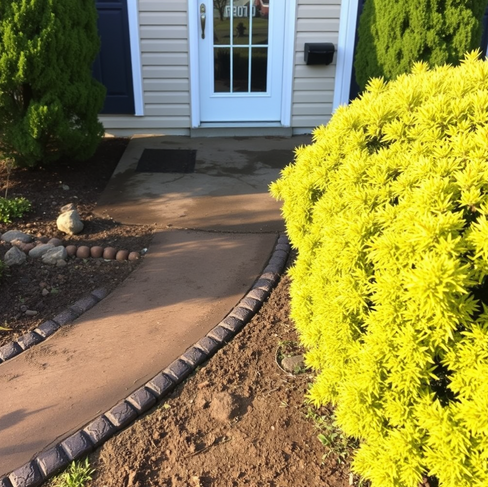


Neglected Exteriors Quietly Lower Property Value
This is particularly important for those looking to resell their homes. When someone pulls up to your home, they subconsciously evaluate cleanliness, maintenance, and care. If the exterior looks rough, they assume the inside is too.
Why It’s an Issue
Dirty siding, black streaks on a roof, and stained concrete send a clear message:
“This home hasn’t been maintained.”
Lower appraisal value
Reduced buyer interest
Lower offers
Increased time on market
How Washing Makes a Difference
A professional wash can make your home look 5–10 years newer, instantly boosting curb appeal. Many sellers get a higher return from pressure washing than from more expensive improvements like landscaping or painting. For most properties, once per year is ideal. Homes with heavy shade, lots of trees, or high humidity may need cleaning every 6–9 months. The goal is to prevent issues long before they start, not respond to them once they’ve already caused damage.
Protect Your Home With Elevate Exterior
At Elevate Exterior, we don’t just clean homes
we protect them. Our soft wash and pressure washing systems are designed to eliminate buildup safely and effectively, prolonging the life of siding, roofing, concrete, and paint.
When you clean regularly, you save:
✔ money
✔ materials
✔ curb appeal
✔ home value
A clean home isn’t just a pretty home, it’s a healthier and longer-lasting one.
Ready to protect your home from hidden damage? 👉 Request your free estimate today and let Elevate Exterior restore your home the right way.


Comments